Pigmentation on the Face: Understanding the Causes and Treatment Options
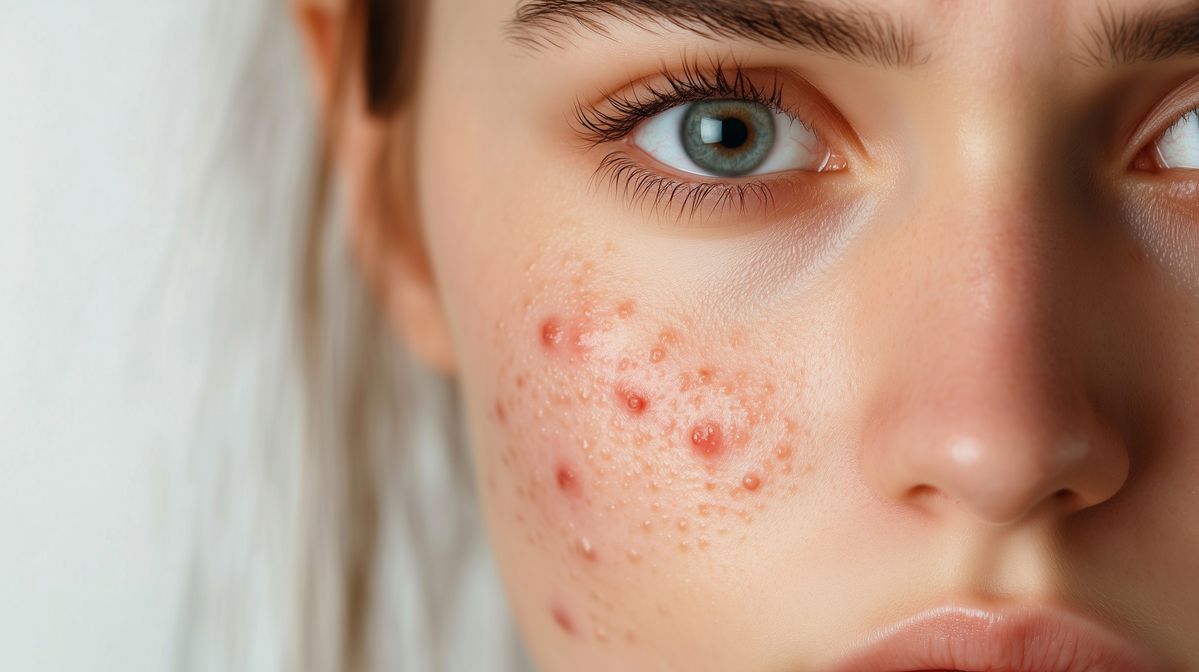
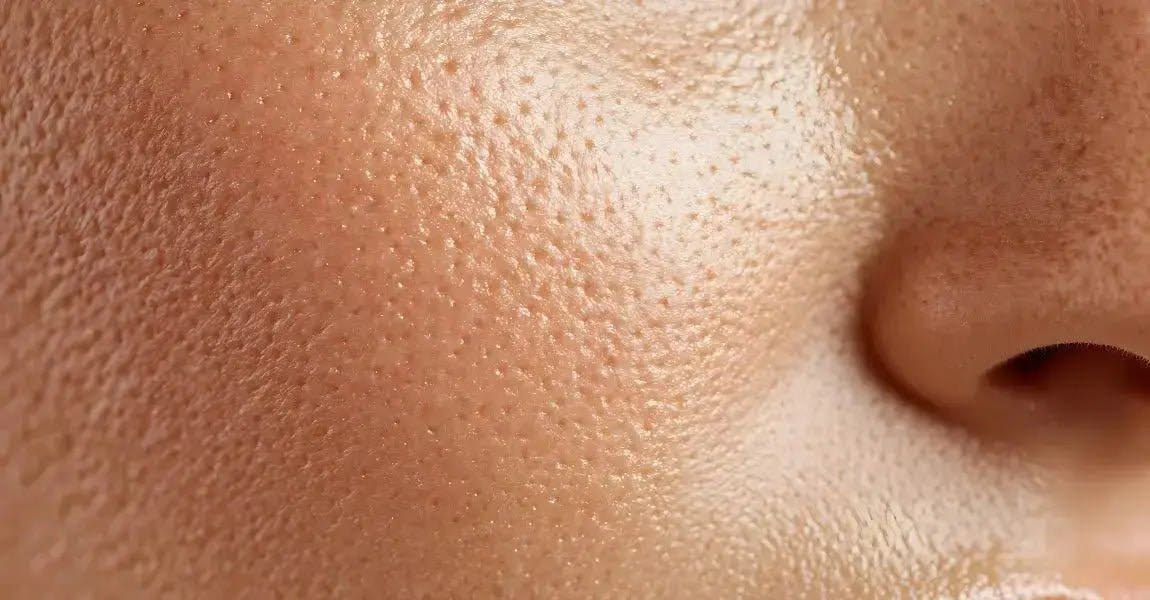
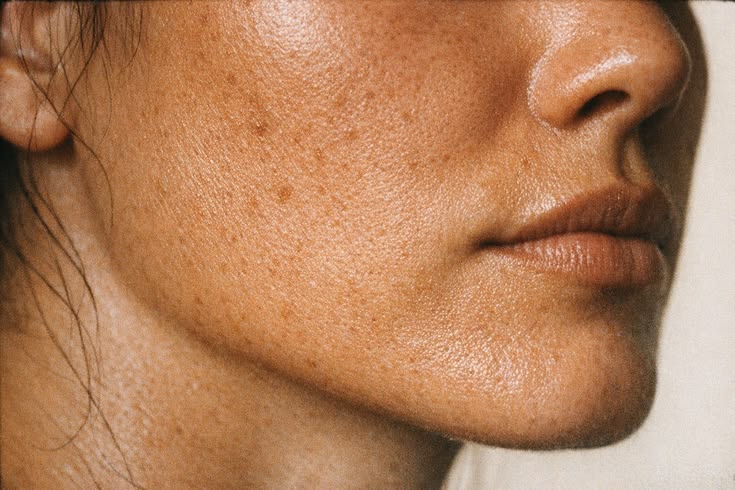
Pigmentation on the face is a common skin concern that can make the skin look uneven, dull, or patchy. It often appears as dark spots, brown patches, or marks that stay behind after acne, sun exposure, or inflammation.
For many people, pigmentation is not just a cosmetic issue. It can affect confidence and make the skin look tired even when it is otherwise healthy.
The right treatment depends on the cause, the depth of the pigment, and the skin type.
What Causes Pigmentation on the Face?
Facial pigmentation can happen for many reasons. Some people develop it after sun exposure, while others notice it after acne, hormonal changes, or skin irritation.
In some cases, pigmentation may also be linked to pregnancy, inflammation, or repeated friction on the skin.
The most important cause is excess melanin production, where certain areas of the skin become darker than the surrounding skin.
This can happen slowly over time or appear more suddenly depending on the trigger.
Pigmentation is not one single condition. It can appear in different forms, and each one needs a different approach.
Sun Pigmentation
This type happens because of long-term sun exposure and is often seen as brown spots or patches.
Melasma
Melasma usually appears as symmetrical patches on the face and is often linked to hormonal changes.
Acne Marks
After acne settles, it can leave behind dark marks that take time to fade.
Post-Inflammatory Pigmentation
This happens after skin irritation, rashes, or inflammation and can leave darker patches behind.
Why Personalized Treatment Matters
Many people try random creams or home remedies, but pigmentation does not improve well unless the real cause is known.
Some pigmentation is shallow and responds to surface treatment, while deeper pigmentation may need a stronger approach.
That is why treatment should always be personalized.
A consultation helps the doctor decide whether peels, laser, or a combination plan is most suitable.
Treatment Options at Dr. Richa’s Unique Clinic
At Dr. Richa’s Unique Clinic, pigmentation treatment is selected according to the skin concern and its depth.
Q-Switch Laser
Q-Switch Laser is useful for more stubborn pigmentation, sunspots, and uneven tone. It helps break down excess pigment and is often chosen when the marks are deeper or more resistant.
IPL
IPL is helpful for mild pigmentation, sun damage, and overall skin tone improvement. It is often used when the concern is not limited to one specific spot but involves uneven skin appearance.
Carbon Laser
Carbon Laser is a great option for skin brightening, mild pigmentation, and skin rejuvenation. It can also help improve dullness and support a fresher skin appearance.
Chemical Peels
Chemical peels are commonly used for mild to moderate pigmentation, acne marks, and dull skin. They help remove dead skin cells and improve skin tone gradually.
How We Choose the Right Treatment
The best pigmentation treatment is not the same for every patient.
Some skin types respond better to Q-Switch Laser, while others may do well with IPL, Carbon Laser, or chemical peels.
The choice depends on:
Pigmentation often improves best when treatment is combined with proper homecare.
In many cases, clinic procedures alone are not enough if the skin continues to be exposed to sun, irritation, or breakouts.
That is why a full plan may include:
When to Consult a Skin Specialist?
You should consult a skin expert if:
-
Your pigmentation is increasing
-
Dark marks are not fading
-
Your skin has become patchy or uneven
-
Over-the-counter products are not helping
Early consultation can help prevent pigmentation from becoming more stubborn.
Book Your Consultation
Book your pigmentation consultation at Dr. Richa’s Unique Clinic and find the right treatment plan for clearer, more even-toned skin.
 Loading…