Dandruff and Hair Fall: Understanding the Connection
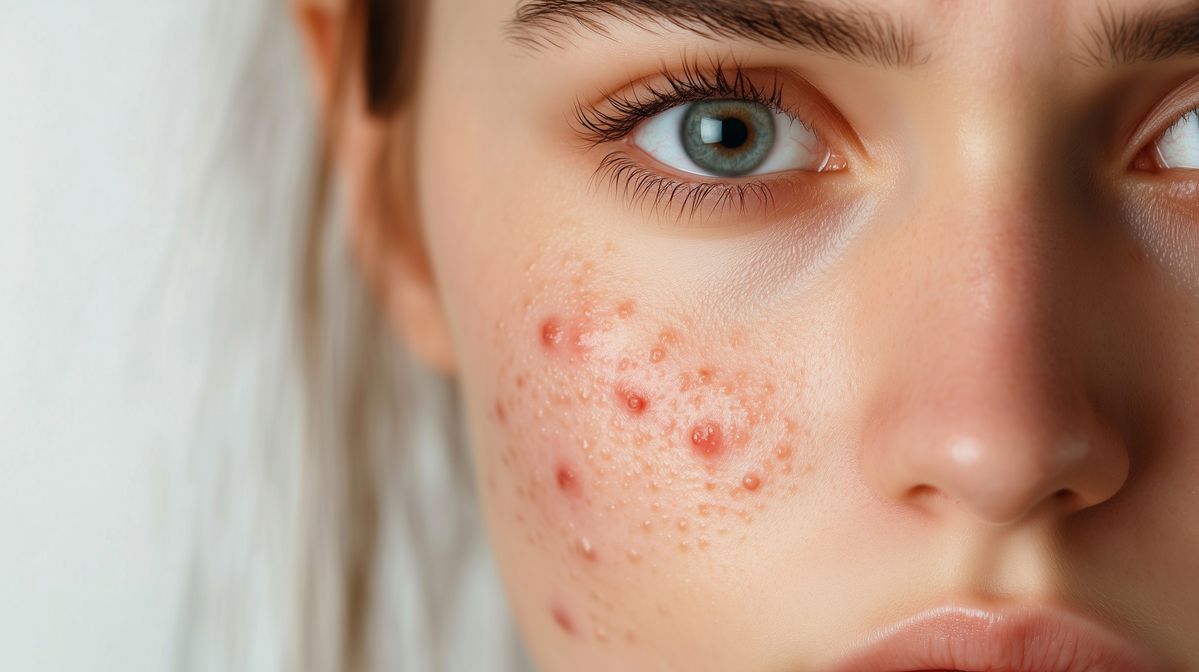
If your scalp is constantly itchy, flaky, or irritated, you may also notice more hair in the comb or drain.
That can be worrying, especially when it starts affecting the way your hair looks and feels.
Dandruff and hair fall are connected, but not always in the way people assume.
Dandruff usually does not cause permanent hair loss by itself, but the itching, scratching, inflammation, and scalp irritation linked to it can increase hair shedding and weaken scalp health over time.
How Dandruff Affects the Scalp?
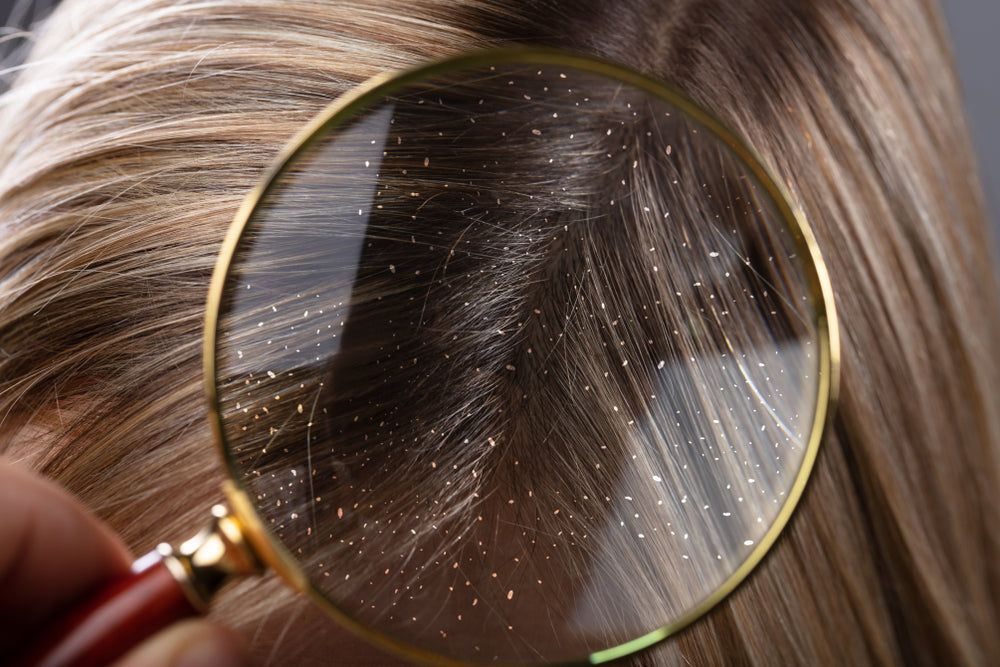
Dandruff is more than visible flakes.
It often comes with an itchy scalp, dryness or excess oil, and irritation that can make the scalp feel uncomfortable.
In some people, chronic dandruff may also be linked with seborrheic dermatitis or other scalp conditions that need proper treatment.
When the scalp stays inflamed for a long time, the hair follicles may not function as comfortably as they should.
That can make hair look weaker, and frequent scratching can add to the shedding.
Why Hair Fall May Increase?
Hair fall associated with dandruff is often temporary, but it can still feel significant.
Scratching the scalp too often can physically pull out weak strands, while ongoing inflammation can make the scalp less healthy overall.
Another issue is buildup.
If flakes, oil, or product residue stay on the scalp, the scalp environment can become less balanced, which may make both dandruff and shedding harder to control.
What Helps the Most?
The most effective dandruff treatment depends on whether the scalp is dry, oily, inflamed, or prone to buildup.
Medicated anti-dandruff products, antifungal care, and proper scalp cleansing are commonly used to reduce flakes and itching.
At Dr. Richa’s Unique Clinic, the anti-dandruff treatment mentioned in the PDF is a scalp-specific treatment done every 15 days using customized anti-dandruff ampoules for long-term scalp health.
This kind of targeted care can be useful when dandruff is recurring or when the scalp needs more than a basic shampoo routine.
Why Scalp Health Matters?
Healthy hair starts with a healthy scalp.
If the scalp is irritated, flaky, or inflamed, hair may not look or feel its best.
That is why treating dandruff early can help reduce discomfort and may also lower the chance of excess shedding caused by scratching and irritation.
A good plan often includes both in-clinic support and homecare guidance.
That may mean using the right scalp products, washing the scalp regularly enough to prevent buildup, and following a treatment schedule that keeps the condition under control.
When to Seek Help?
You should see a specialist if:
-
The flakes keep returning
-
The scalp feels itchy or sore
-
Hair fall is increasing
-
Over-the-counter shampoos are not helping
This is especially important if dandruff seems severe or comes with redness, thick scaling, or persistent shedding.
Book Your Scalp Consultation
Book your scalp consultation at Dr. Richa’s Unique Clinic and get a treatment plan for dandruff, itchy scalp, and hair fall concerns.
 Loading…