PRP for Hair Regrowth: What to Expect from the Treatment
PRP has become one of the most talked-about hair regrowth treatments because it uses the body’s own healing factors to support thinning hair.
For many people, it is less about “instant regrowth” and more about slowing shedding, improving hair thickness, and helping weak follicles perform better.
How PRP Works?
PRP stands for platelet-rich plasma.
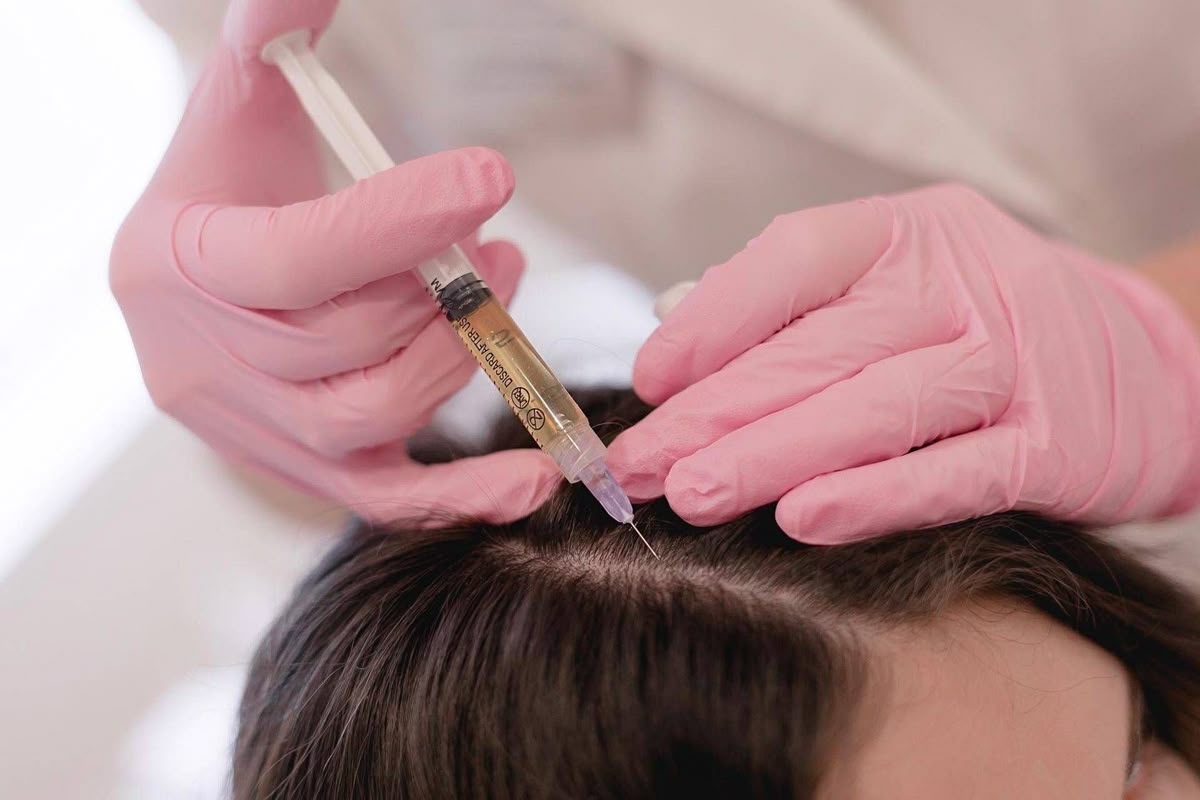
It is prepared from a person’s own blood and injected into the scalp so that the concentrated platelets can release growth factors near the hair follicles.
These growth factors may support follicle activity, improve the scalp environment, and help hair become denser or stronger over time.
PRP is usually used for certain types of hair loss rather than complete baldness, so the timing of treatment matters.
Who May Benefit?
PRP is often considered for people with early thinning, pattern hair loss, or hair that has started to shed more than usual but still has active follicles.
It may also be helpful when the goal is to improve hair density or thickness rather than replace follicles that are no longer active.
The treatment tends to work best when hair loss is detected early and when it is part of a broader hair regrowth plan.
If the scalp health is poor or the follicles are severely inactive, PRP alone may not be enough.
What Results to Expect?
PRP is not an overnight solution.
In research, patients have shown improved hair density and hair counts after a series of treatments, though results vary from person to person.
Some studies have reported increased hair numbers and density compared with baseline or placebo, which is why PRP remains a widely used option in hair restoration.
Most patients need multiple sessions, and maintenance treatments may be needed to keep the improvement going.
A realistic expectation is usually reduced shedding first, then gradual improvement in thickness and density.
Hair PRP Therapy at Our Clinic
At Dr. Richa’s Unique Clinic, PRP for hair is part of a broader hair regrowth approach rather than a stand-alone promise.
Depending on the hair concern, the plan may also include:
That combination approach matters because hair loss often has more than one cause.
When the scalp, follicles, nutrition, and treatment schedule are all addressed together, the result is usually more practical and personalized.
When PRP May Not Be Enough?
PRP is less likely to work well if the follicles are no longer active or if the hair loss is very advanced.
In those cases, the doctor may suggest other options such as transplant-based treatment or a different restoration plan depending on the stage of hair loss.
Book Your Hair PRP Consultation
Book your hair PRP consultation at Dr. Richa’s Unique Clinic and find out whether PRP is the right hair regrowth treatment for your scalp and hair goals.
 Loading…