Hair Transplant vs Non-Surgical Hair Treatment
Hair loss can feel overwhelming because there is no single solution that fits everyone.
For some people, a hair transplant offers a long-term restoration option, while for others, non-surgical treatment is the better first step, especially when thinning has started early.
What a Hair Transplant Does?
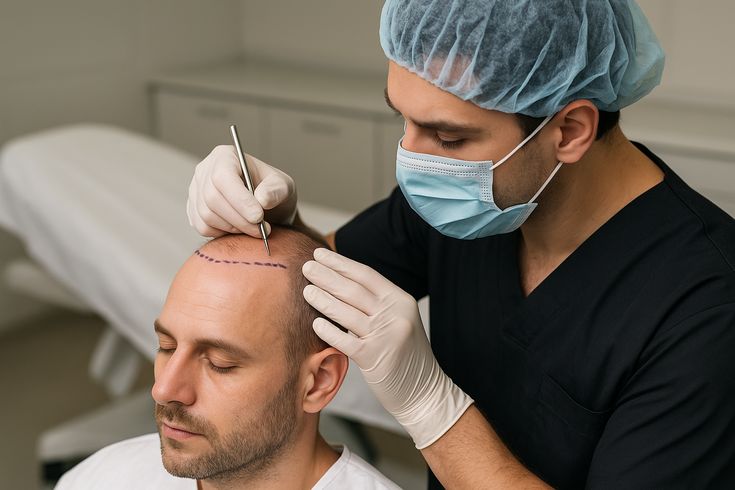
A hair transplant moves healthy follicles from a donor area to thinning or bald areas.
The most common modern method is FUE hair transplant, which removes individual follicles rather than a strip of scalp, and is known for minimal linear scarring and relatively faster recovery compared with older strip methods.
This makes transplant a strong option when baldness is more advanced and the goal is to restore hair in areas where follicles are no longer active.
It is generally considered a more permanent solution because transplanted follicles continue growing in the new area.
What Non-Surgical Treatment Can Do?
Non-surgical hair treatment usually refers to options such as PRP, GFC, laser therapy, topical medicines, injections, and scalp-based therapies that aim to slow hair loss and improve hair quality.
These treatments are often used for early thinning, shedding, or scalp health support.
They do not move follicles like a transplant does, but they can help improve the growth environment and strengthen weak hair when follicles are still active.
For many people, that makes them a good starting point before moving to surgery.
Which Works Better?
The answer depends on the stage of hair loss.
If the concern is early thinning, non-surgical treatment may be the better choice because it is less invasive, requires little downtime, and can support the hair you still have.
If the concern is more advanced baldness, especially when follicles are inactive, an FUE hair transplant may give a more lasting and visible restoration result.
In simple terms, non-surgical treatment is better for slowing and supporting, while transplant is better for replacing lost hair in bald areas.
What to Consider Before Choosing?
The right choice depends on:
-
How advanced the hair loss is
-
Whether follicles are still active
-
How much downtime you can manage
-
Your budget
-
Whether you want maintenance-based care or a more permanent restoration
Non-surgical treatment can mean ongoing sessions, while surgery has a higher upfront commitment but may offer a longer-lasting result.
That is why a proper hair assessment is important before deciding.
Hair Restoration at Our Clinic
At Dr. Richa’s Unique Clinic, the hair plan can be personalized based on the pattern and stage of hair loss.
The clinic PDF includes:
These options can be combined depending on the scalp condition, hair density, and overall hair goals.
Book Your Hair Consultation
Book your consultation at Dr. Richa’s Unique Clinic to understand whether a hair transplant or non-surgical hair treatment is the right option for your hair restoration goals.
 Loading…